
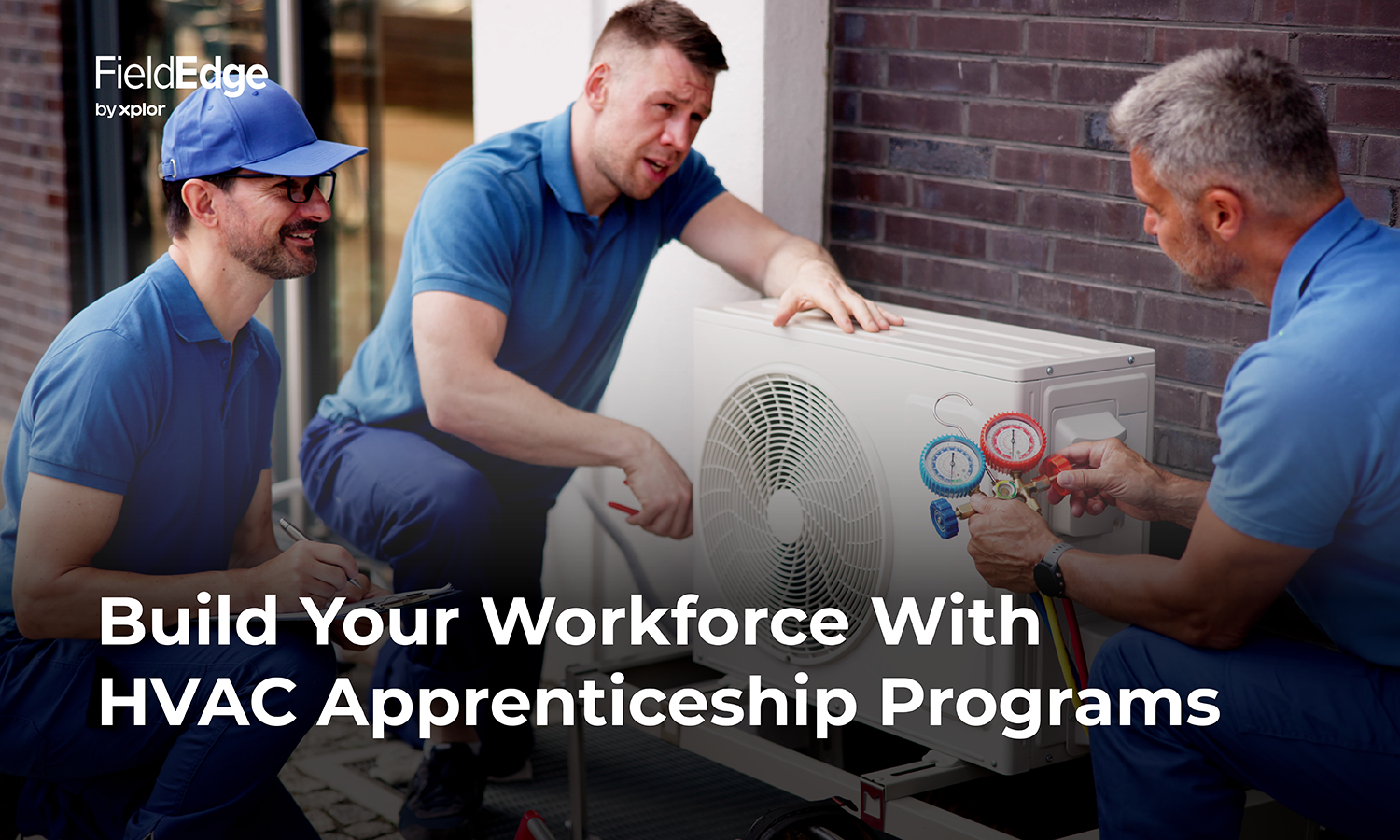
Understanding the HVAC Apprenticeship Model
An apprenticeship is a structured program that blends paid, practical experience with classroom-based related technical instruction. Typically spanning 3 to 5 years, apprentices work full-time for a licensed contractor, mastering tasks from system installation to complex diagnostics, while attending classes to learn theory, local codes, and regulations.
A standard work process schedule, like the one mandated in Massachusetts, includes 8,000 hours of on-the-job training across key areas:
This rigorous training ensures apprentices can safely handle refrigerants, troubleshoot electrical circuits, and understand the full spectrum of heating and cooling systems.
Why Choose an Apprenticeship? Key Benefits and Outcomes
Pursuing this path offers distinct advantages for long-term career success:
- Earn a Salary While Learning: Unlike traditional college, apprentices start earning a paycheck from day one, avoiding student debt. In states like Washington, entry-level wages can start between $25 and $36 per hour.
- Direct Path to Licensure: Apprenticeship hours are the primary requirement for obtaining a state journeyman or master license, which is legally required to work unsupervised.
- High Demand and Job Security: The critical need for climate control and the push for clean energy technology like heat pumps guarantee strong job prospects.
- Build a Professional Network: Working alongside seasoned professionals provides invaluable mentorship and industry connections that last a lifetime.
Training for the Future: Clean Energy and Specialization
Modern HVACR technician training is evolving with technology. Apprentices now gain critical skills in installing and servicing high-efficiency heat pumps and building energy management systems, which are central to the clean energy transition. Programs like the "On-Track-to-HVAC" in New York integrate these technologies, helping apprentices earn additional credentials like EPA 608 certification for refrigerant handling and GPRO operations for green buildings.
Pro Tip for Aspiring Technicians: Before committing to a program, research if it offers preparation for the EPA Section 608 certification. This nationally recognized credential is essential for handling refrigerants and is highly valued by employers across the residential and commercial sectors.
Career Pathways and Earning Potential
Completing an apprenticeship opens multiple doors. You can work for large contractors, specialize in commercial refrigeration systems, or even start your own business. Career progression typically follows these stages:
- Registered Apprentice: Learning under supervision.
- Licensed Journeyman: Working independently on most systems.
- Master Technician/Specialist: Qualifying for supervisory roles, complex projects, or niche specializations.
With experience, earning potential rises significantly. Senior technicians or those with in-demand specializations in commercial or industrial systems can earn over $70,000 annually, with some exceeding $100,000 in high-demand markets.
An HVAC apprenticeship is more than just job training; it's an investment in a future-proof career at the heart of America's infrastructure and clean energy goals. By combining hands-on experience with structured technical education, it creates highly skilled professionals ready to tackle modern challenges in system installation, maintenance, and repair. For a hands-on learner seeking a stable, well-paying, and essential trade, embarking on an HVAC apprenticeship is a powerful first step toward long-term professional and financial success. Explore programs through local trade unions, community colleges, or state apprenticeship boards to begin your journey.
| Work Process Area | Required Hours |
|---|---|
| Installation & Service Methods | 1,600 |
| Core Components (Compressors, Condensers) | 1,600 |
| System Controls & Safety Devices | 1,600 |
| Specialized Units (Air Conditioning, Evaporators) | 1,600 |
| Total On-the-Job Training | 8,000 hours |